Undergraduate researcher leverages CARC for molecular modeling breakthrough
By Mariah Rosales
For many students, a senior thesis marks the culmination of their undergraduate studies. For UNM physics major Sole Samuels, it was also an opportunity to make a meaningful contribution to the field of computational molecular science — with the help of the University of New Mexico’s Center for Advanced Research Computing (CARC).
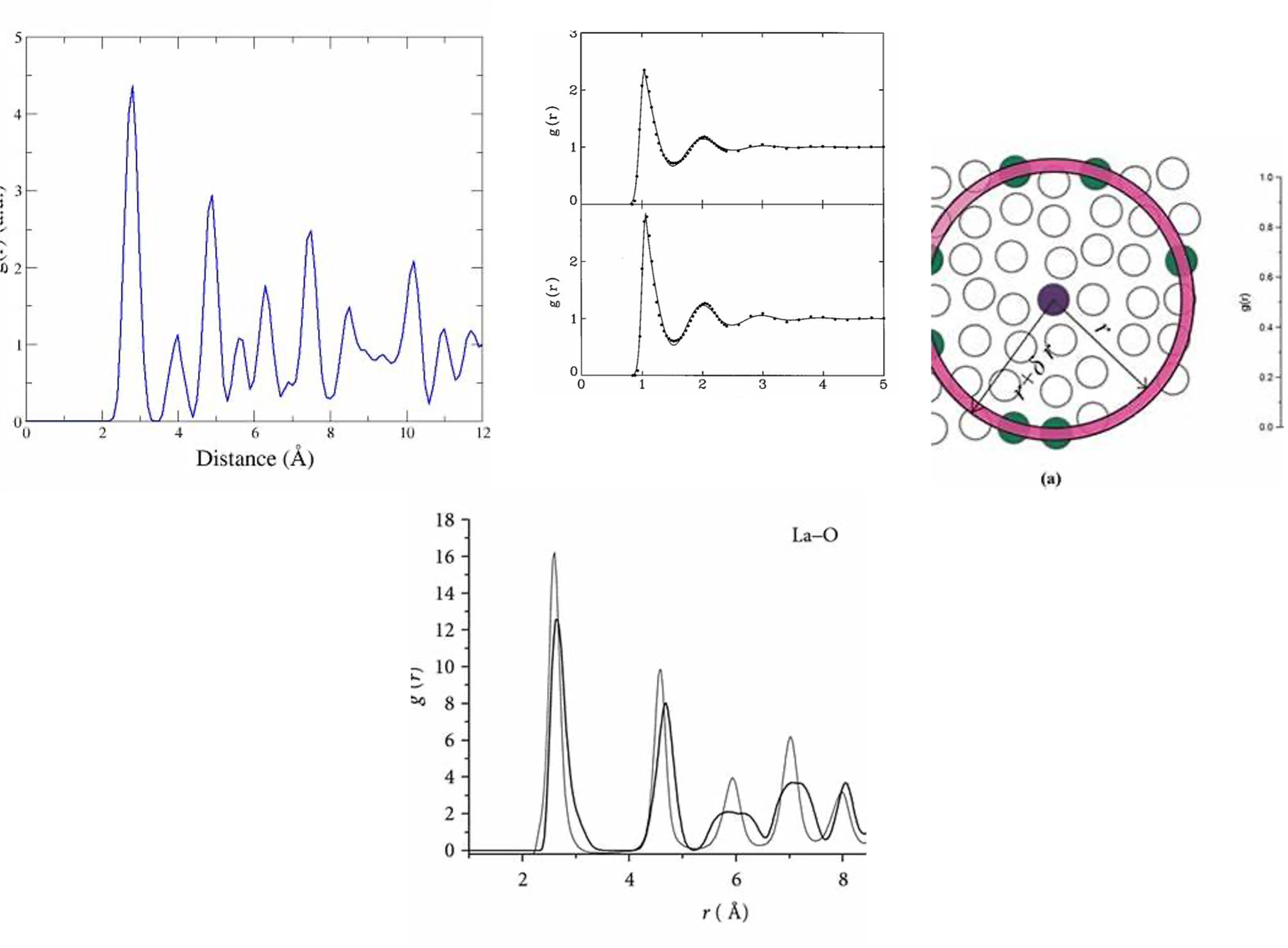
Samuels’ 2025 honors thesis, Radial Density Encoding of Molecular Environments, introduces a new method for representing molecular structures that could improve how scientists use machine learning to predict molecular properties. By focusing on radial density encoding, Samuels explored how to capture the spatial distribution of electron density around atoms in a way that is both compact and highly informative for computational models.
“Training and testing my models required more computing power than I could ever have accessed on a personal computer,” said Samuels. “CARC’s high-performance computing systems allowed me to work with larger datasets, run more complex simulations, and refine my approach much faster than would otherwise be possible.”
The project bridges physics, chemistry, and data science — demonstrating how advanced computational techniques can help scientists tackle challenges in quantum chemistry, such as predicting chemical reactivity or designing new materials. Using CARC’s resources, Samuels was able to train neural networks on three-dimensional molecular data, a process that demands both significant processing speed and large-scale storage.
“This experience gave me hands-on exposure to the kind of computing infrastructure that drives modern scientific research,” Samuels said. “It wasn’t just about finishing a thesis — it was about learning how to turn a theoretical idea into a computational tool.”
Samuels’ work is a reminder that high-performance computing is not only for large research teams or faculty-led projects — it is also a critical resource for students preparing to enter research careers. By providing access to advanced computing power and technical support, CARC helps equip the next generation of scientists with the skills and experience needed to make meaningful contributions in their fields.