Featured projects

The following feature articles highlight research projects done using resources at the Center for Advanced Research Computing.

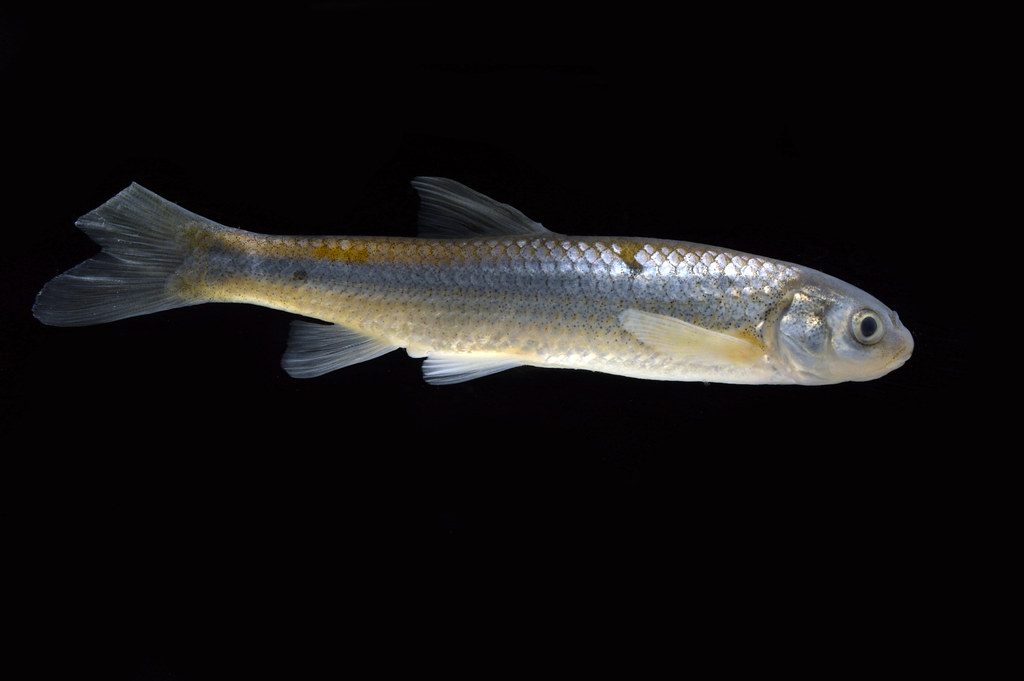
Rio Grande silvery minnow

Research efforts play a crucial role in rescuing a Rio Grande fish species from extinction

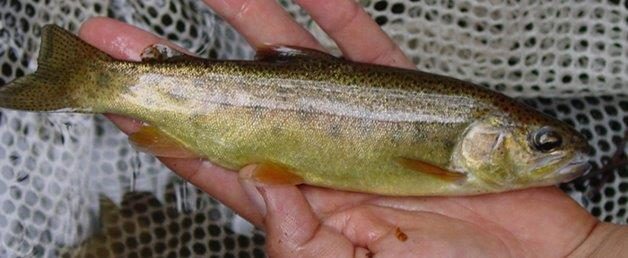
In the heart of the Rio Grande basin, the Rio Grande Silvery Minnow (Hybognathus amarus), a unique fish species, is struggling to survive. Habitat changes, river disruptions caused by dams and water diversion structures, and recent severe drought conditions in the Southwestern United States have intensified the struggle for the Rio Grande Silvery Minnow, resulting in population bottlenecks and even population collapse. These events, linked to diminished snowmelt runoff and increased river drying, have threatened the species’ reproductive success and recruitment.

Read the story
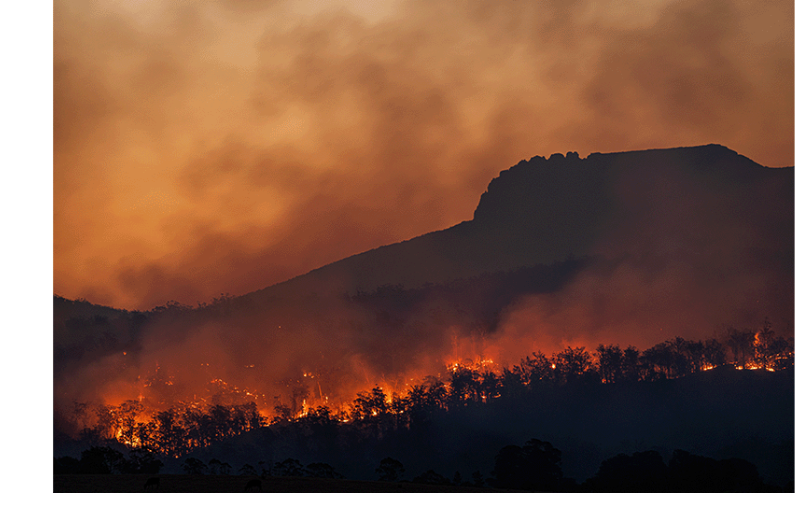
Wildfire threatening a southwestern forest

UNM scientists concerned about rising wildfire threats to southwestern U.S. forests

Scientists at the University of New Mexico recently published a research article describing a new method of modeling reforestation after wildfires. Research has shown an important link between topography and how plants recover after a fire. Topography refers to the natural shape and features of the land, such as its hills, valleys, and overall terrain. Previous models often overlooked this important factor, primarily focusing on weather patterns instead. UNM scientists wanted to focus on the link between topography and how plants recover after a fire, and better understand reforestation in severely burned forests using an updated simulation model while factoring in climate change.

Read the story
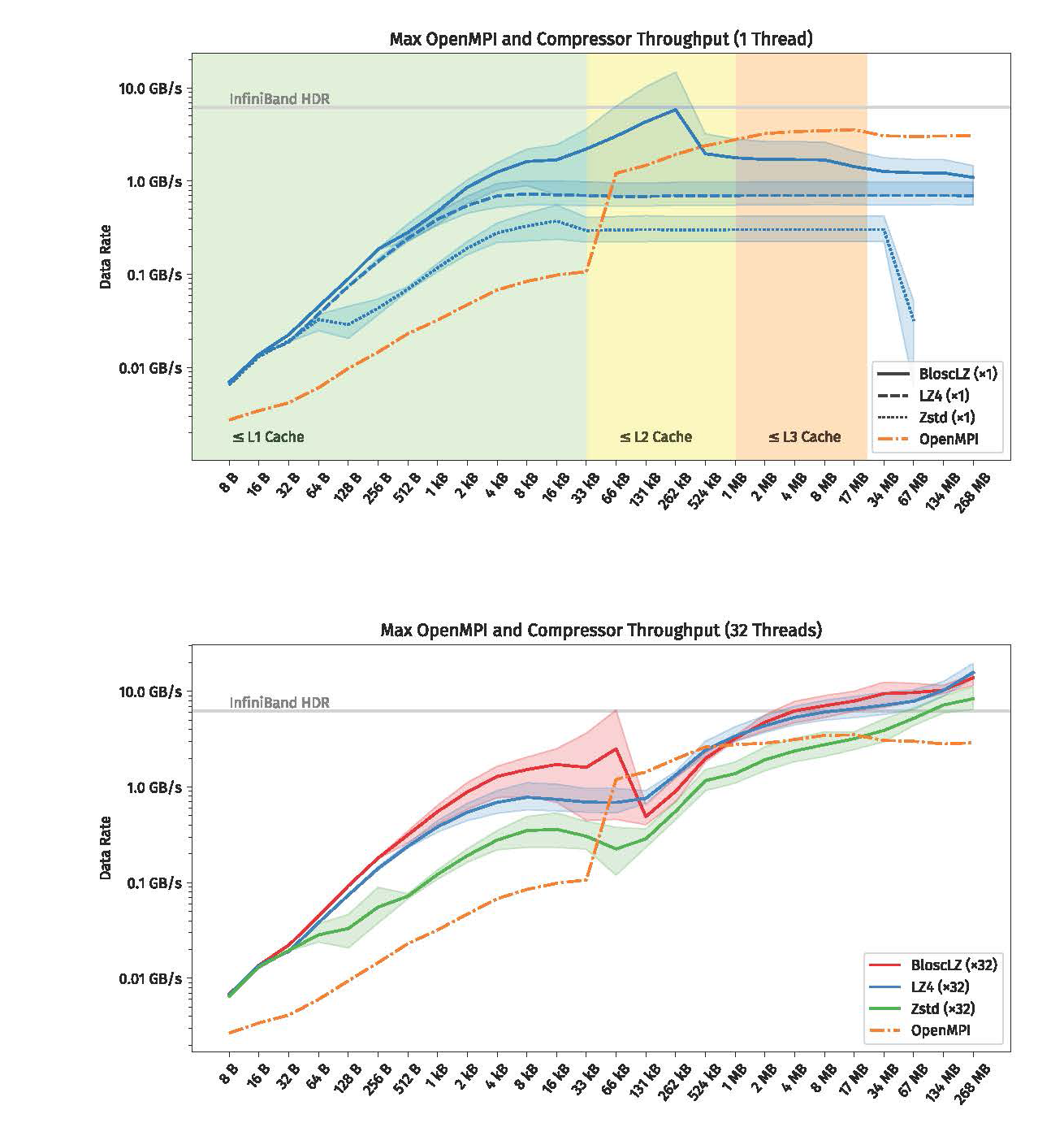
Visualization from the parallel processing course

Students utilize CARC resources through Parallel Processing course

Parallel processing is a method used in computer science to speed up the execution of tasks by dividing them into smaller parts and processing these parts simultaneously. This is a process that allows computers to tackle complex problems more efficiently and quickly, making it an essential tool for various applications in our daily lives, such as video editing, gaming, and scientific simulations. Introduction to Parallel Processing (CS442/542) is a course offered every other Fall semester at the University of New Mexico. The course enables students to grasp the complexities of parallel processing while using resources from the Center for Advanced Research Computing.

Read the story

CARC graduate assistant creates a program capable of style transfer

Summer 2022 Center for Advanced Research Computing Graduate Assistant Jacob McCullough created a program capable of style transfer, where a trained algorithm identifies the style of an image and transfers it onto another. The process of style transfer requires a program that is capable of digital manipulation to images or videos. McCullough made this possible using CARC resources by copying and then modifying the code of a program used to classify images.

Read the story

Computational chemistry researchers complete millennia of research in four years

UNM Distinguished Professor of Chemistry and Chemical Biology Hua Guo and his research team have logged an impressive 7,257 compute years on Center for Advanced Research Computing (CARC) systems in the past four years. Guo’s work is in computational chemistry, which allows researchers to simulate chemical reactions on computers rather than conducting real-life experiments that can be dangerous, costly and time-consuming.

Read the story
Flooding in Jakarta linked to aquifer depletion

New UNM Earth Science Professor to study the health of groundwater aquifers across the state

Eric Lindsey, Assistant Professor of Earth & Planetary Sciences at the University of New Mexico (UNM), has concerns about the sustainability of aquifers around the world. Aquifers, nature’s underground water storage spaces, are vital to life on this planet. Lindsey was recently awarded a National Science Foundation grant to establish new computer storage nodes at UNM’s Center for Advance Research Computing (CARC) to store his hundreds of terabytes of InSAR satellite data to study aquifers. This increased storage capacity combined with CARC’s high-speed parallel computing abilities will allow Lindsey to process vast amount of data to create a current land subsidence map for the entire state of New Mexico and beyond.

Read the story

Explore or exploit: How our brains make choices

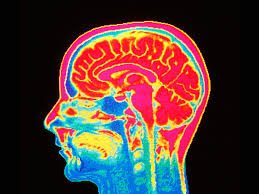
We make countless choices every day. It may be a difficult, complex choice—whether to take the job in a new city or stay in a current position—or be as simple as choosing between visiting a new restaurant or going to an old favorite. Decision-making shapes our knowledge and our perceptions of the world around us. Dr. Jeremy Hogeveen, Assistant Professor in the Department of Psychology details his search for answers in a new article published in the prestigious neuroscience journal Neuron.

Read the story

Talaat studies molten lead as coolant for advanced clean energy nuclear reactors

Researchers all over the world are pursuing methods to develop clean, green, and renewable energy resources to reduce our impact on the planet. This includes research dedicated to building new, technologically advanced, nuclear reactors to support the production of clean energy. The U.S. Department of Energy’s (DOE) nuclear Versatile Test Reactor (VTR) was conceived with these technological advances in mind. Khaled Talaat, PhD candidate in the University of New Mexico’s (UNM) Nuclear Engineering Department, is one of the researchers on the VTR project.

Read the story

CARC enables groundbreaking immunology discovery

Associate Professor of Biology at the University of New Mexico’s Center for Evolutionary and Theoretical Immunology (CETI) Irene Salinas and her research team recently concluded a study on African lungfish cocoons which provided groundbreaking discoveries with potential implications for studies on human immune systems.

Read the story

CARC integral in PhD candidate’s groundbreaking dissertation on solar forecasting

Guillermo Terrén-Serrano, PhD candidate in the Electrical and Computer Engineering (ECE) Department of the University of New Mexico (UNM), has designed a new way for solar forecasters to predict future cloud cover. Terrén-Serrano and his advisor, ECE Professor Manel Martínez-Ramón, have taken an innovative, multidisciplinary approach to solar cloud cover forecasting by building a state-of-the-art, forecasting system completely from scratch. Their system will provide renewable energy providers with a clear sky index so they will know when to compensate for the drop in solar energy to ensure a steady energy transmission to the power grid.

Read the story
Visualization from the FIESTA fluid dynamics code

UNM doctoral candidate develops open-source fluid dynamics code

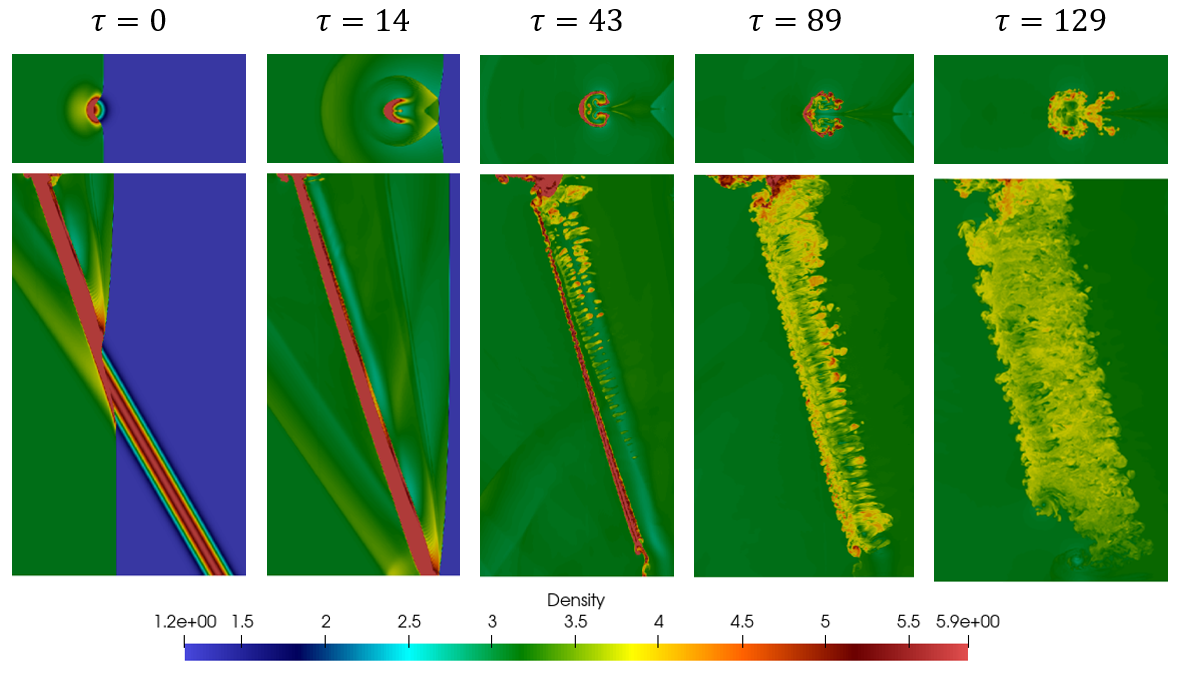
When Brian Romero began his doctoral research in the Advanced Fluids Lab, led by Professor Svetlana Poroseva at the University of New Mexico’s Mechanical Engineering Department, he quickly realized that the tool he needed to complete his work had not yet been developed. He needed a computational fluid dynamics solver capable of simulating supersonic flows with shock waves. So, Romero turned to UNM’s Center for Advanced Research Computing and designed FIESTA© (Fast Interface Evolution, Shocks and Transition in the Atmosphere) to meet his needs as well as those of future researchers.

Read the story

Ethan Gyllenhaal and colleagues use CARC resources to explain genetic histories of island birds

Ph.D. candidate Ethan Gyllenhaal has been engaged in a series of research projects that use genomic analyses to explain the complex evolutionary processes that take place within and between island bird populations. He is conducting this research in collaboration with researchers from the UNM Andersen Lab and the University of Kansas Moyle Lab. One of his recent projects, outlined in a paper published in Molecular Ecology, explains the existence of an unexpected genetic finding in Australian Spectacled Monarch birds.

Read the story

NMDID supports worldwide research during COVID-19 pandemic

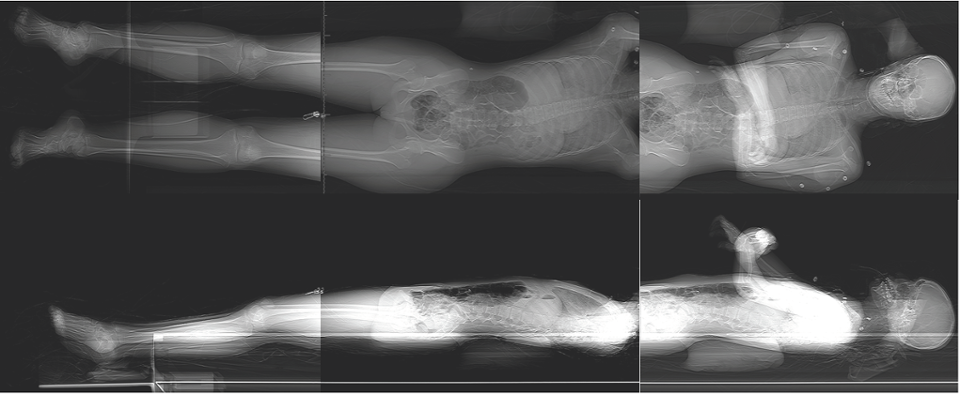
In February of 2020, Professor and Forensic Anthropologist Heather Edgar, in association with Western Michigan University Associate Professor Shamsi Berry and the Center for Advanced Research Computing, unveiled a groundbreaking new website that gives researchers across the globe access to the demographic information and deidentified complete body scans of over 15,000 deceased New Mexicans. Now, after its first 20 months of operations, Edgar and Berry are preparing to publish some of the insights they have learned from this project, including the important role their database has played in supporting worldwide research throughout a global pandemic.

Read the story
Nineteenth-century daguerreotype photograph

Manjavacas and colleagues investigate the cause of haziness in nineteenth century daguerreotype photography

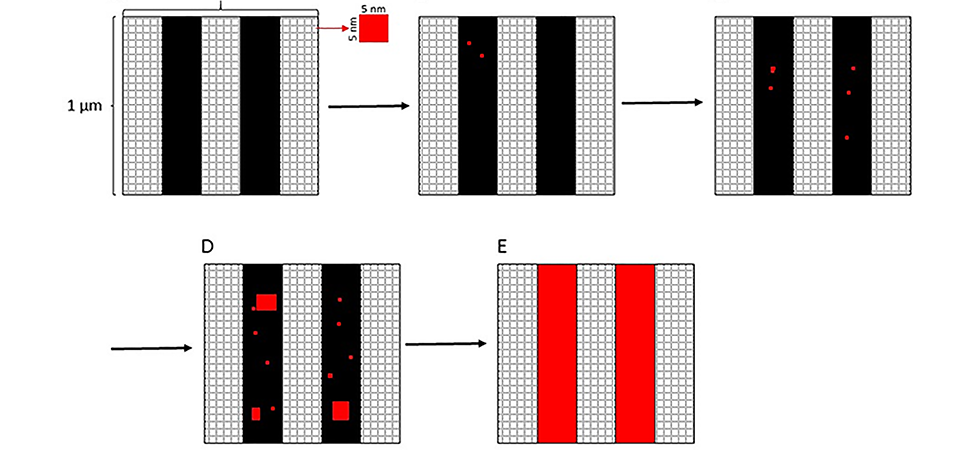
In 2019, a team of scientists, led by UNM Associate Professor Alejandro Manjavacas, used Center for Advanced Research Computing resources to make a discovery explaining some of the mysterious characteristics of daguerreotypes. Through continued efforts, Manjavacas’ research is helping to explain the characteristic haze that develops over these photographs as they age. This research will help museums like the Metropolitan Museum of Art (MET) preserve antique photographs for future generations.

Read the story

Ivana Gonzales uses CARC to improve fuel cell technology

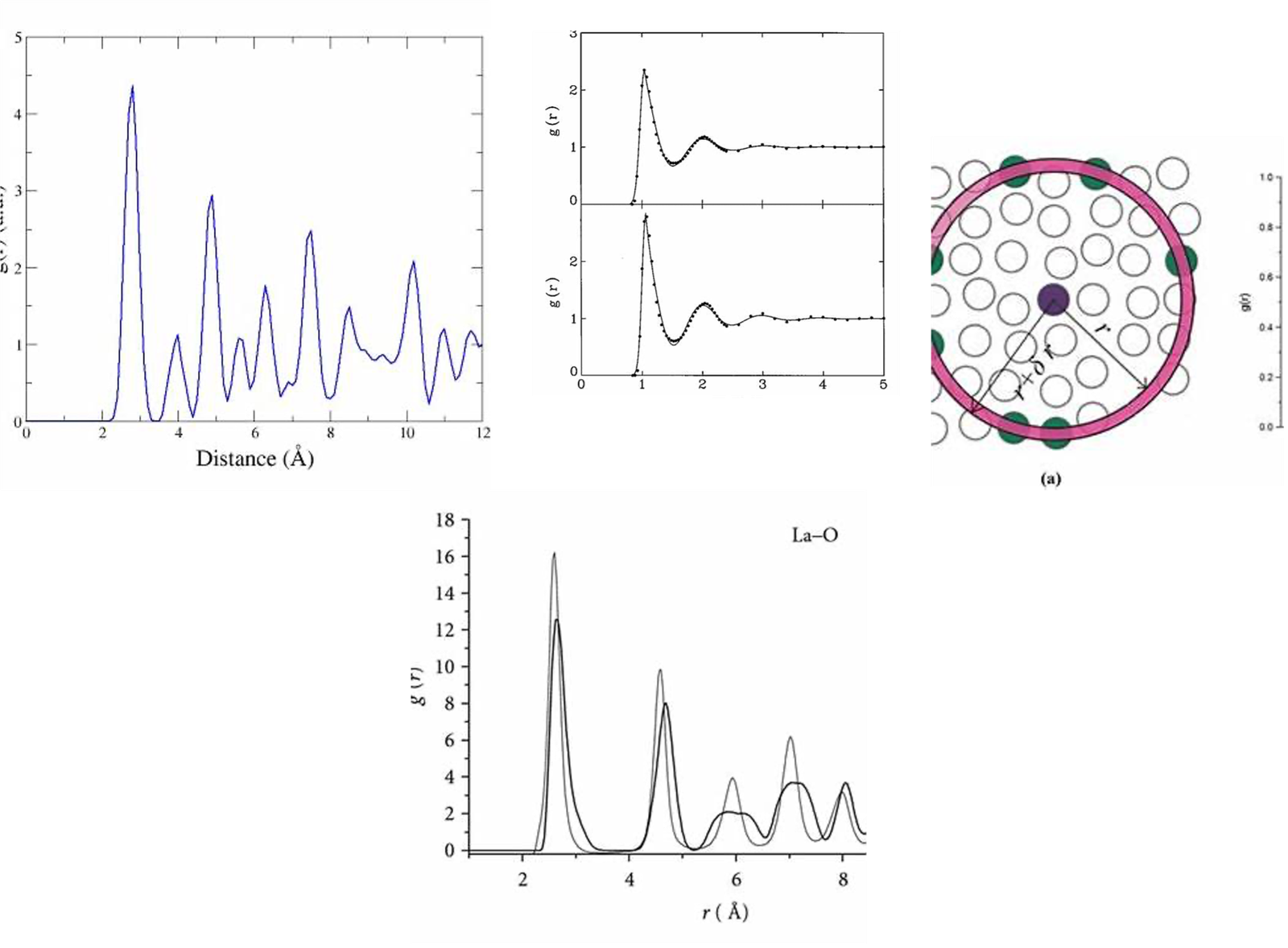
Research Associate Professor Ivana Gonzales has been using Center for Advanced Research Computing resources to develop improved fuel cell technology. In connection with a broad network of researchers, Gonzales uses computer simulations to interpret experimental data and predict the performance of fuel cells composed of different materials. The fuel cells she helps to create may be implemented in a wide range of products to increase energy efficiency and lower greenhouse gas emission.

Read the story
Pulsar

Bruzewski and colleagues search for ‘sneaky’ pulsars

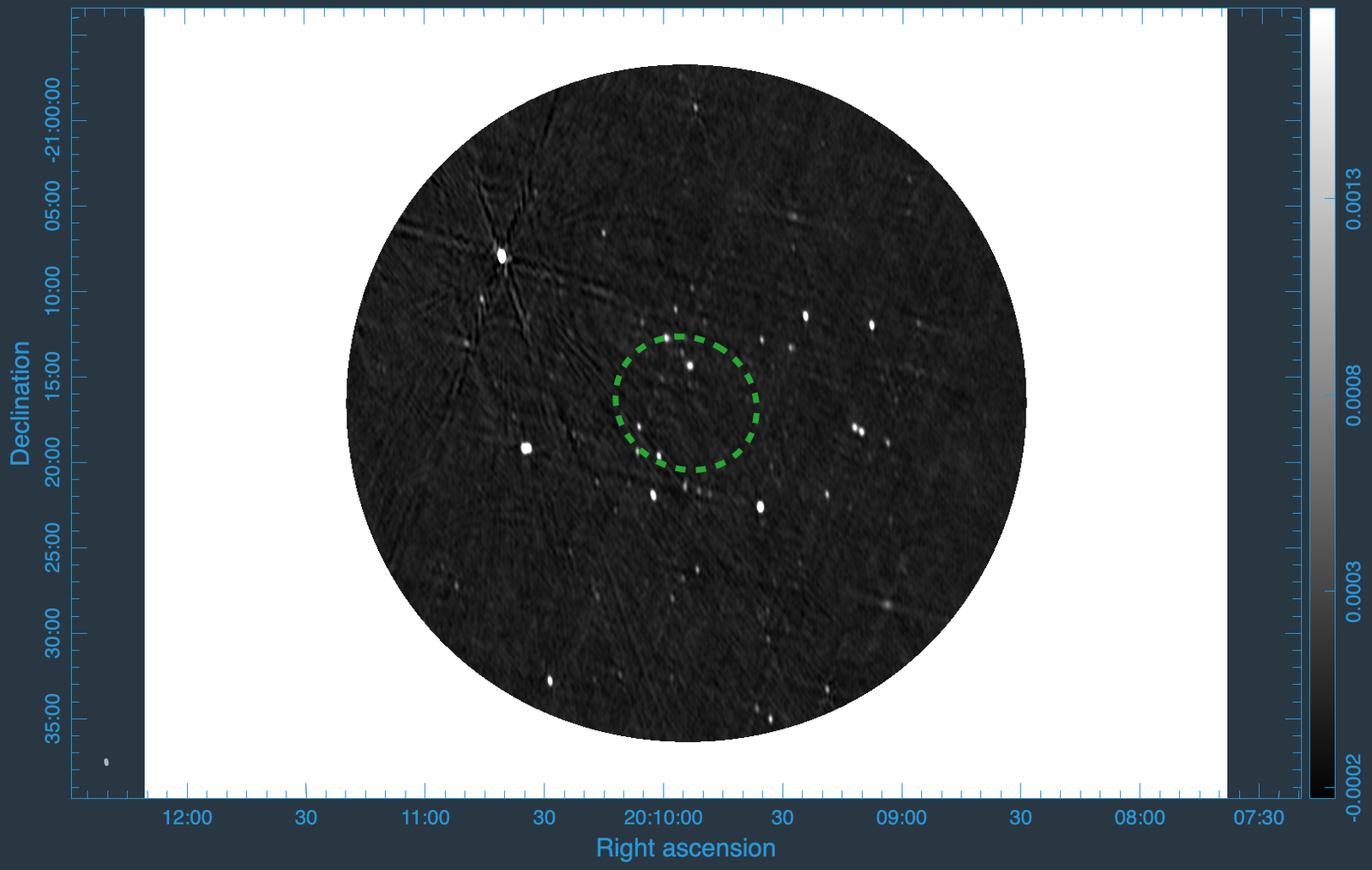
Department of Physics & Astronomy Ph.D. Student Seth Bruzewski, along with Adjunct Professor Frank Schinzel and Distinguished Professor Greg Taylor, has been using CARC resources to identify “sneaky” pulsars based on radio and gamma ray emissions. Funded by NASA’s Fermi Guest Investigator Program, the team uses data from the Fermi Gamma Ray Space Telescope (Fermi) and the Very Large Array (VLA) to find and analyze these mysterious celestial bodies.

Read the story

Researchers use computer modeling to understand COVID-19 infection mechanism

New Mexico Consortium Researcher Wataru Nishima, in collaboration with University of Warsaw Assistant Professor Marta Kulik, has authored a paper detailing new insights into the infection mechanism of COVID-19. The team used Center for Advanced Research Computing systems to develop a novel computational model of SARS-CoV-2, the virus that causes COVID-19, and simulate the way it attaches to host cells.

Read the story

Jocelyn Colella receives 2021 Popejoy Dissertation Prize for research on weasels

Recent UNM Ph.D. graduate and newly appointed Assistant Professor and Curator of Mammals at the University of Kansas Jocelyn Colella has been awarded the 2021 Popejoy Dissertation Prize for her work studying the genetic diversity of weasels. Her research, including the use of CARC resources to conduct analyses of genomic sequences, resulted in new insights into the evolutionary processes that shape boreal species diversity in response to Earth’s glacial-interglacial cycles.

Read the story

Domman and Dinwiddie discover new COVID variation in New Mexico population

Daryl Domman, Assistant Professor at the UNM Center for Global Health, and Darrell Dinwiddie, Assistant Professor in the UNM Department of Pediatrics, have discovered a novel variant of the SARS-CoV-2 virus among COVID-positive samples in New Mexico. The two have been working with the New Mexico Department of Health and other health officials to sequence the genomes of Coronavirus samples from across the state, as well as those from other regions of the Rocky Mountains. A new variant has been observed in New Mexican samples dating back to December 2020.

Read the story

UNM physicist investigates unexplained behavior of cell receptors

UNM Associate Professor James L. Thomas, assisted by local high school student Ennis Quinn, has been using computational modeling to explain unusual patterns in receptor distribution on cell membranes. Their distribution throughout the surface of a cell can have a considerable effect on intercellular communications, which, in turn, influence a wide variety of bodily processes.

Read the story

Distinguished Professor Hua Guo solves 30-year ozone mystery

A group of researchers from the University of New Mexico Department of Chemistry and Chemical Biology, led by Distinguished Professor Hua Guo, have teamed up with colleagues from Texas A&M University to understand more about the photochemistry of Earth’s ozone. A paper authored by the group and recently published in the Proceedings of the National Academy of Sciences of the United States of America (PNAS) offers a long-awaited explanation for the “odd” behavior of ozone molecules in our atmosphere.

Read the story
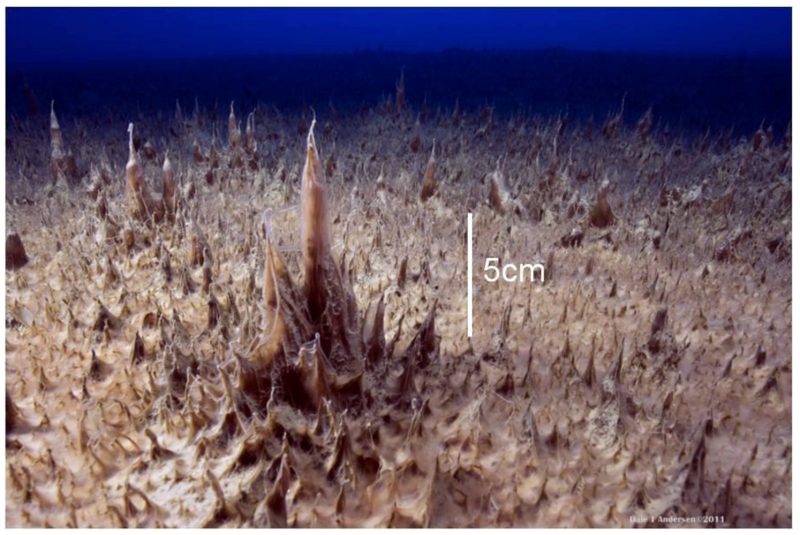
Microbial mat in Antarctica

UNM biologists study Antarctic viruses

Biologists at the UNM Vesbach Lab have been using Center for Advanced Research Computing resources to analyze viruses found in the McMurdo Dry Valleys of Antarctica. Funded by a grant from the Joint Genome Institute, Ph.D. student David Robinson and Professor Cristina Takacs-Vesbach, in conjunction with researchers from Miami University and the McMurdo Dry Valleys Long Term Ecological Research Project, are assembling the metagenomic data from microbial mat samples in the hopes of gaining a better understanding of how viruses and bacteria interact.

Read the story
NASA space robotics challenge

UNM computer scientists compete in NASA Space Robotics Challenge

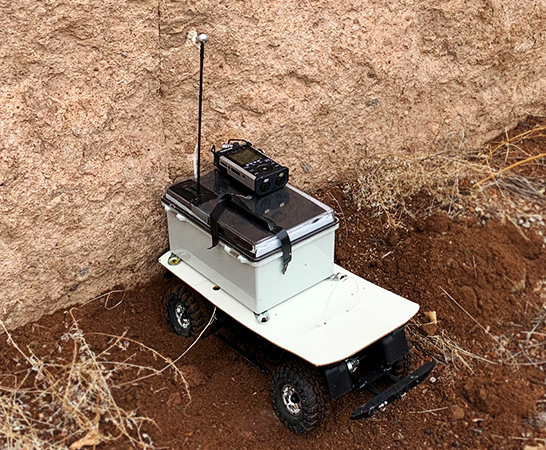
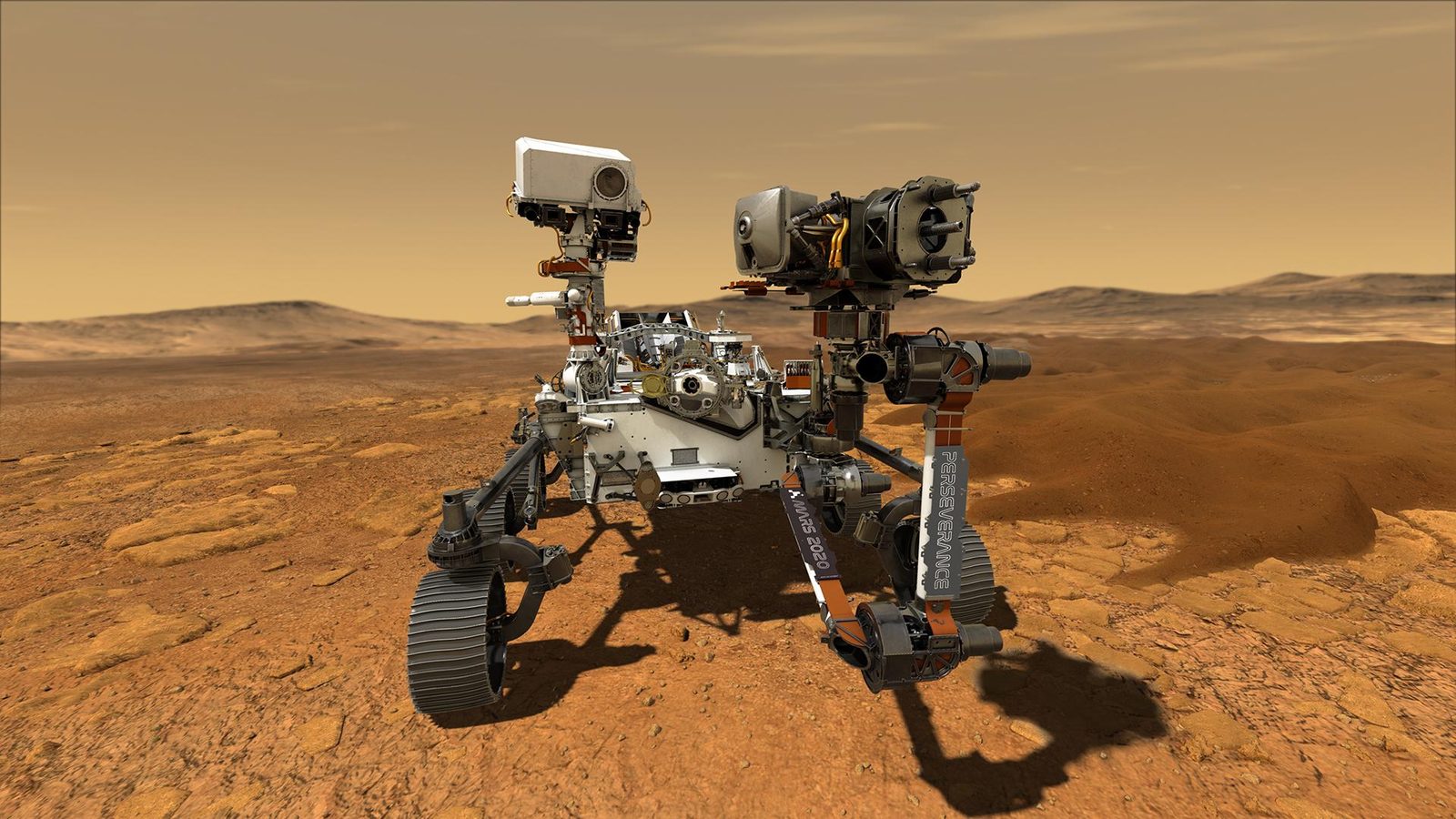
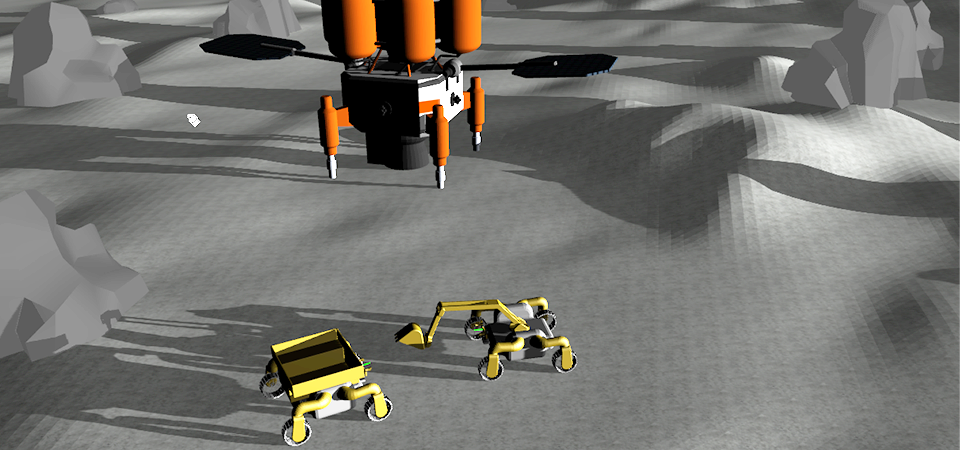
A team of University of New Mexico computer scientists led by Research Assistant Professor Matthew Fricke is competing with diverse computer research groups to develop an algorithm that would instruct robots to autonomously find, collect, and stockpile resources on the Moon. The competition, presented by Space Center Houston and NASA’s Centennial Challenges Program, offers a variety of cash prizes to the top twenty-five teams.

Read the story

UNM psychology professor works toward more reliable neuroimaging analysis

A large and highly collaborative new project created by Postdoctoral Researcher at Dartmouth College Rotem Botvinik-Nezer, Senior Lecturer at Tel Aviv University Tom Schonberg, and Professor of Psychology at Stanford University Russel Poldrack seeks to understand how the methodological choices made by neuroscientists can affect research outcomes. A team led by UNM Assistant Professor Jeremy Hogeveen was one of 70 research groups from across the globe to contribute neuroimaging analyses to the project.

Read the story
MinION genome sequencer

UNM researchers use advanced computing to study COVID-19

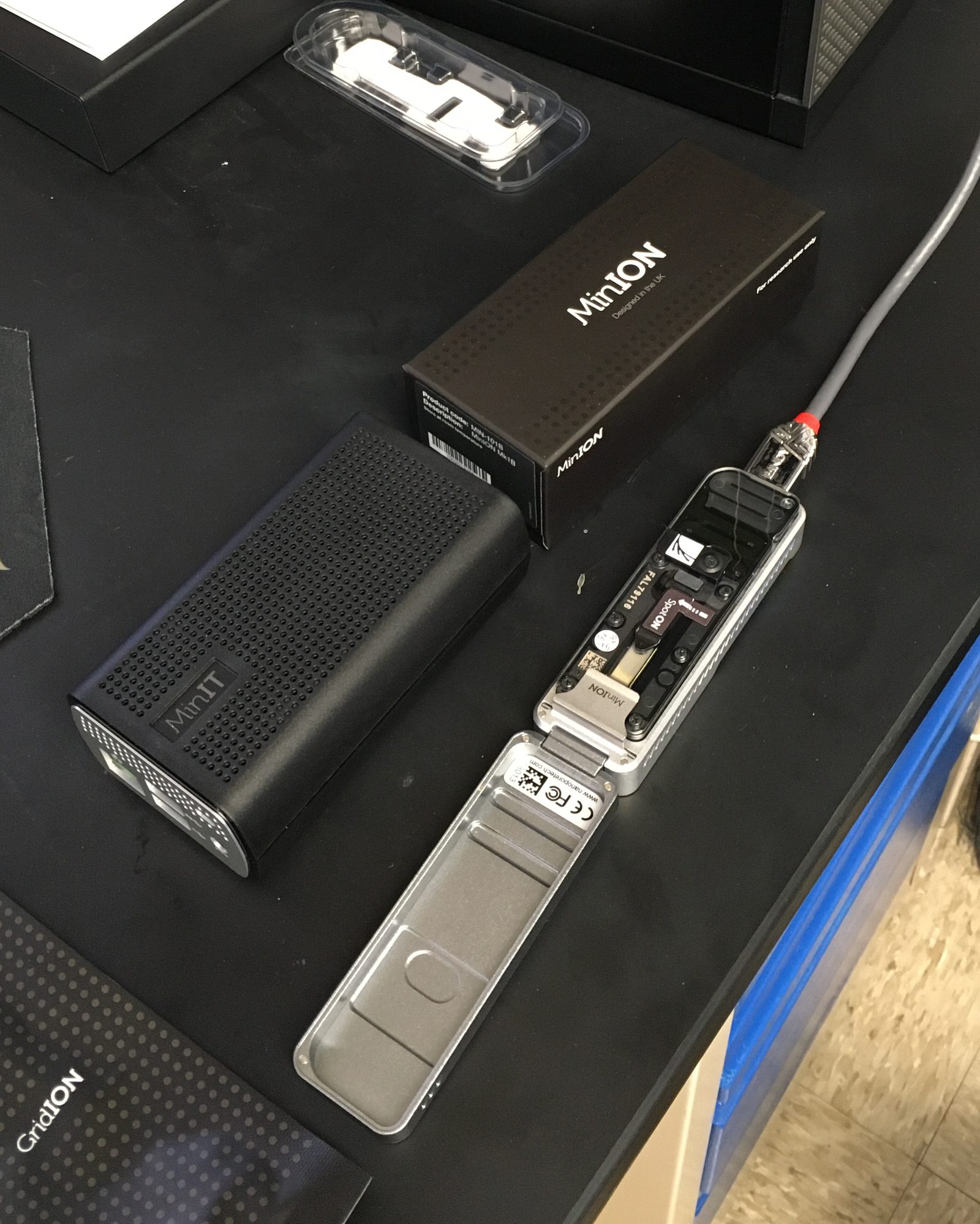
A wide range of University of New Mexico researchers from across main and north campuses are utilizing UNM Center for Advanced Research Computing resources to study COVID-19. Researchers from several departments at UNM, including Anthropology, Biology, Computer Science, Pediatrics, Internal Medicine, and various Health Sciences research centers are studying different aspects of the coronavirus pandemic.

Read the story

Researchers use CARC systems to understand the shapes of volcanoes

Katherine Cosburn, a Ph.D. candidate in the University of New Mexico Department of Physics and Astronomy, is leading a research initiative that uses computer modeling to better understand volcanoes and, possibly, enable scientists to more accurately predict volcanic activity. The insights yielded from her research may help geologists mitigate the damage caused by volcanoes by predicting their behavior.

Read the story

UNM anthropologist to unveil new database website

Associate Professor of UNM’s Department of Anthropology and Forensic Anthropologist for the Office of the Medical Investigator (OMI) Dr. Heather Edgar is ready to unveil the New Mexico Decedent Image Database website. The site will offer qualified researchers free access to more than 15,000 full body CT scans, along with corresponding information about the deceased. The database, funded by the National Institute of Justice, is being hosted at the UNM Center for Advanced Research Computing.

Read the story
Facial-recognition system for firefighting

Researchers develop facial recognition technology for use in firefighting

At the University of New Mexico Department of Electrical and Computer Engineering, a team of computer engineers lead by Professor Manel Martínez-Ramón have been working towards the development of a high-tech wearable device for firefighters. The device would help emergency service workers with navigation, communication, and threat assessment during tense life-threatening situations. The projects utilizes an innovative new facial-recognition algorithm formulated for use in firefighting technology.

Read the story

Cavanagh studies the neurological origin of pleasure

Associate Professor James Cavanagh of the University of New Mexico Department of Psychology is working on a project that would help psychologists study depression, and its treatment, with greater accuracy. Cavanagh’s research, funded by a grant from the National Institute of Mental Health, seeks to identify a consistent quantifiable indicator of anhedonia, or the inability to feel pleasure.

Read the story
Diagram of island bird evolution

McCullough assembles evolutionary tree of birds

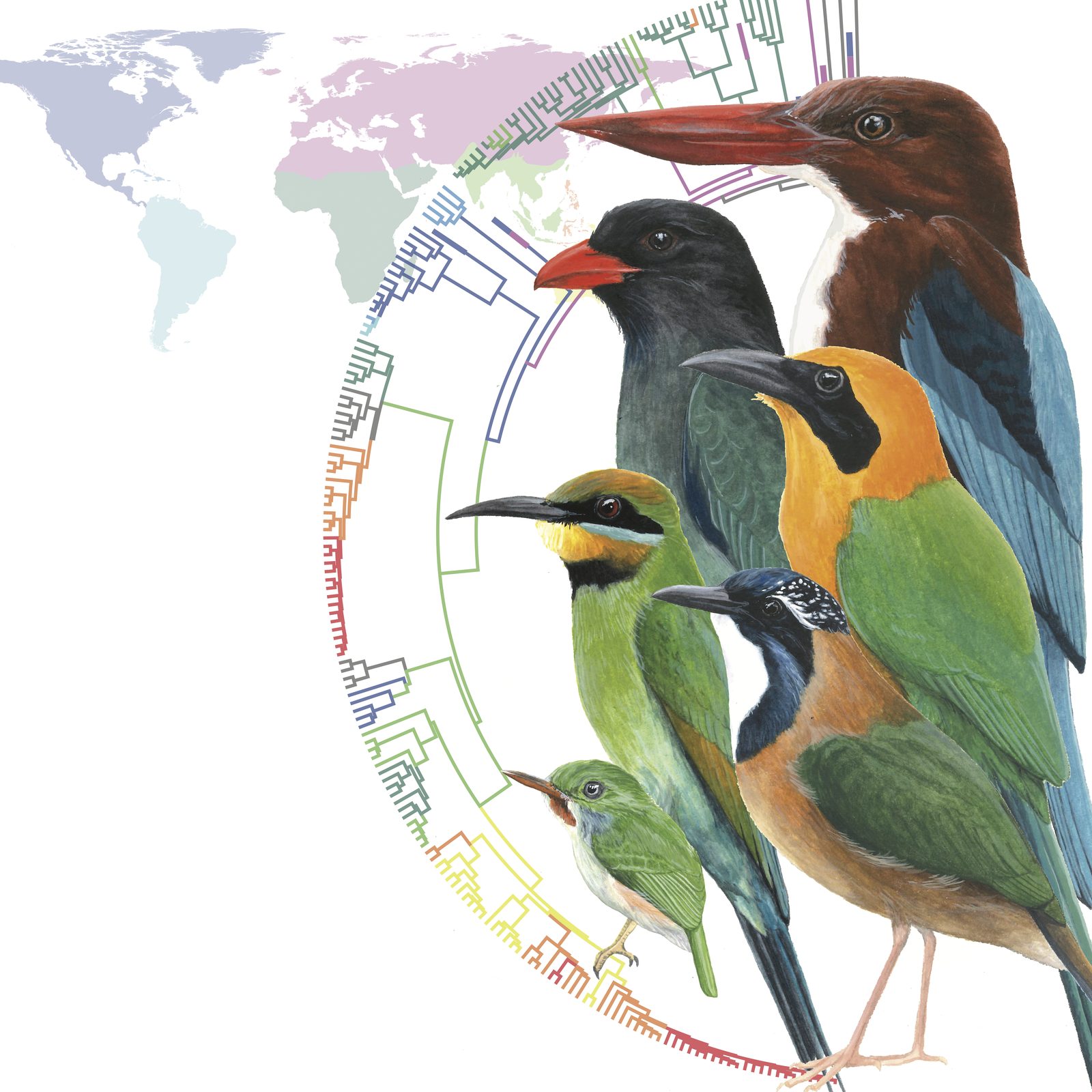
Though science has advanced considerably since the days of Charles Darwin, the evolutionary history of life on Earth is still largely a mystery – one being solved incrementally by the dedicated biologists who pore over fossils and genetic data to better understand the origins of species. One of these biologists is Jenna McCullough, a Ph.D. student at the University of New Mexico whose master’s thesis used Center for Advanced Research Computing resources to examine the evolutionary history of birds.

Read the story

Professor Terry Loring studies the strange math behind hybrid conductor-insulators

University of New Mexico Professor Terry Loring has added to his remarkable list of contributions to the field of mathematical physics with his newest paper, A Guide to the Bott Index and Localizer Index. Using the Wheeler system at the UNM Center for Advanced Research Computing, Loring has fine-tuned a mathematical tool he calls the “Localizer Index,” a faster alternative to the widely used Bott Index.

Read the story

Environmental Data Initiative receives NSF grant

The National Science Foundation has awarded a second grant to the Environmental Data Initiative to continue gathering and storing ecological data. A collaboration between researchers at the University of New Mexico, the University of Wisconsin, and the University of California – Santa Barbara, EDI aims to store environmental data in a way that is Findable, Accessible, Interoperable, and Reusable (FAIR).

Read the story
Sensors on the Sandia Peak Tramway

SMILab deploys wireless smart sensors on Sandia Peak Tramway

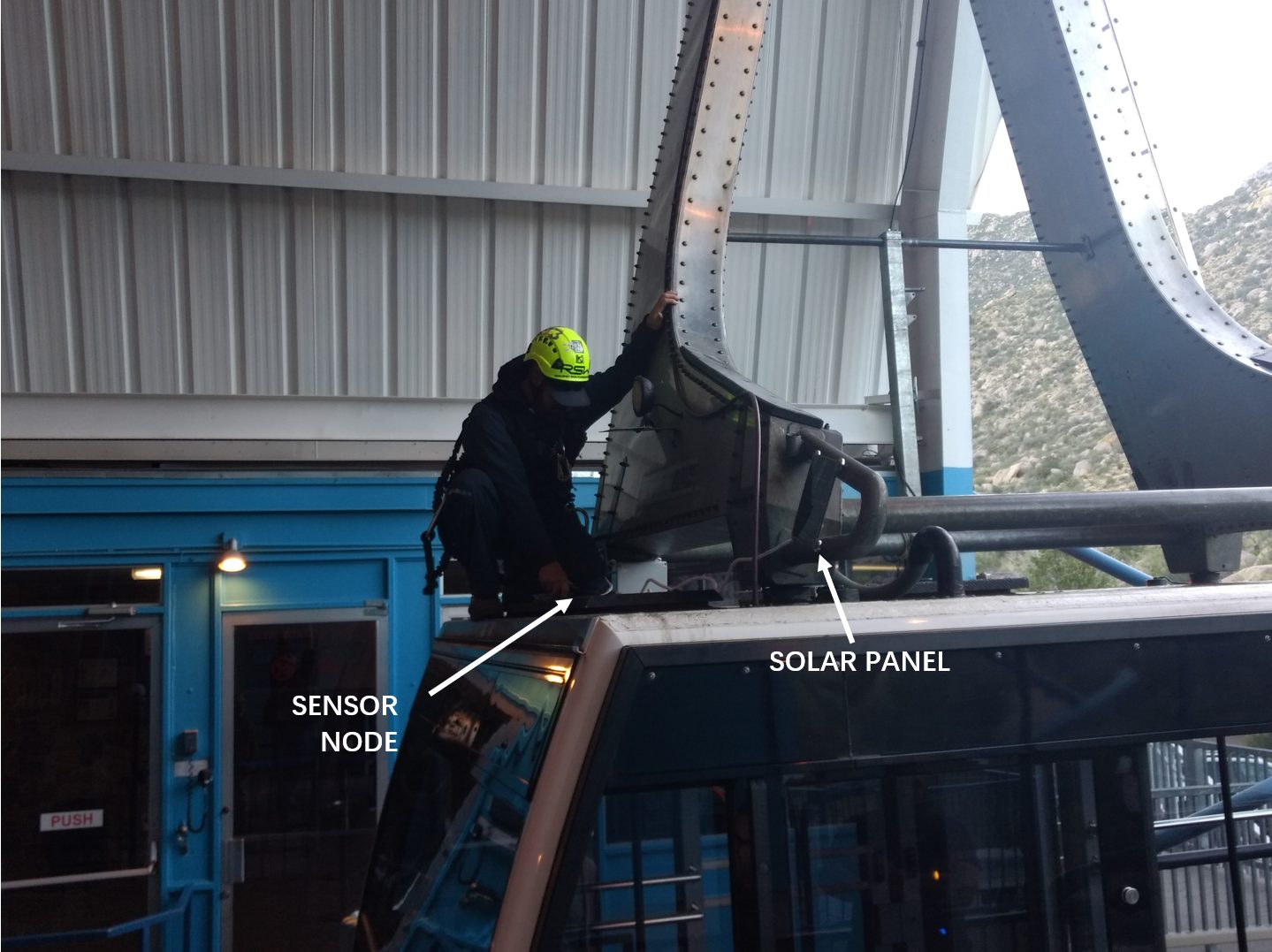
Researchers from the Smart Management of Infrastructure Laboratory (SMILab), based at the UNM Center for Advanced Research Computing, have installed two wireless smart sensors on the Sandia Peak Tramway. The sensors, designed and developed by SMILab researchers, will collect accelerations, angles, and displacements of both the towers and the cars under different performance conditions.
Read the story

Engineering team looks at using augmented reality to fix ailing infrastructure

Civil infrastructure in the United States is in serious disrepair. The American Society of Civil Engineers published an Infrastructure Report Card in 2017, in which it gave the crumbling national infrastructure a dismal grade of D+. According to the report card, over 9 percent of the 614,000-plus US bridges are structurally deficient, and their average age is 43 years. Professor Fernando Moreu and his SMILab team, headquartered at CARC, aim to develop and implement next-generation smart sensing technologies and strategies, which will ensure safety, cost effectiveness, resilience, and sustainability of civil structures.

Read the story
Earth layers diagram

Method delves under Earth’s mantle for more detailed look

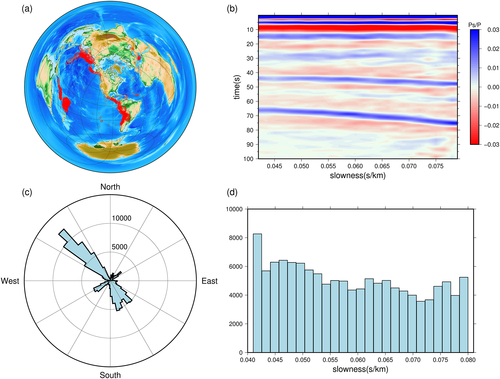
The Earth is composed of four layers: the crust; the mantle, which is divided into the upper mantle, lower mantle, and transition zone in between; the hot liquid outer core, and a solid inner core. In his paper Application of Ps Scattering Kernels to Imaging the Mantle Transition Zone With Receiver Functions published recently in the Journal of Geophysical Research: Solid Earth, UNM Ph.D. student Han Zhang researched a method called Ps Scattering Kernels to create an image of the layer we can’t see in finer detail than previous studies.

Read the story

Marten research provides insight into breeding, conservation

The American pine marten and Pacific marten are cute, furry animals reminiscent of weasels or ferrets. They live in forests all over the west, from islands off the coast of Alaska, to Canada, California, and even New Mexico. As a federally designated Management Indicator Species (MIS), martens play a big part in monitoring the health of the forest ecosystems they live in, according to Jocelyn Colella, a doctoral student in the University of New Mexico’s Biology Department. In a recent paper Implications of introgression for wildlife translocations: the case of North American martens published in the Conservation Genetics Journal, Colella uses genetic sequences (e.g., DNA) to understand how breeding between these two species impacts their evolution and conservation.

Read the story
Candida albicans

Research looks to better understand widespread fungal disease

Candida albicans is the most common viral pathogen and causes candidiasis, an infectious disease of the lungs and other organs. Healthcare costs associated with treatment of candidiasis exceed $1 billion annually in the US alone. Candida albicans can mask itself so pattern recognition receptors in the human body cannot detect and destroy it. Researchers are trying to understand this masking process, eventually leading to better treatment.

Read the story

Fire navigation research presented to NM Legislature

Firefighters entering a burning building step into a critically risky and potentially lethal environment. How a firefighter handles this combination of factors is a matter of life or death. University of New Mexico Electrical and Computer Engineering (ECE) student Manish Bhattarai presented a project he has been working on to the New Mexico Legislature. End-to-End Training of Deep Learning Systems for Scene Understanding, Path Planning and Navigation, 3D Scene Reconstruction is innovative research aimed at preventing injury and deaths.

Read the story
New Mexico Decedent Image Database

UNM database of deceased people a national first

People die. All the time. From many causes, including old age, disease, accidents, murder. But researchers can learn from these deaths. Dr. Heather Edgar, forensic anthropologist at the UNM Office of Medical Investigator, and her team are currently converting a dataset of whole body decedent CT scans into a searchable database that will be available to researchers.

Read the story

Robot swarms aid NASA journey to Mars

The Mars rover Curiosity is in the news right now as NASA celebrates the robot’s five-year sojourn across the planet surface. The rover is sending back breathtaking images and collecting data in anticipation of humans arriving in the 2030s. But before humans arrive, a swarm of smaller robots may already be on the planet, navigating the terrain and working together like a colony of ants to collect resources.

Read the story

UNM researchers work to meet wind power goal

There is a national goal to increase wind energy in the United States to meet 20 percent of the demand for electricity by the year 2030. However, there are some challenges to reaching this goal. Two of the issues facing wind energy farms are the wakes emitted from each turbine, which reduces the efficiency of turbines around them, and the noise levels caused by the rotors. Dr. Sang Lee and his team are using the resources at the UNM Center for Advanced Research Computing to overcome these issues in order to build more efficient, more powerful wind turbines and wind farms to meet that goal.

Read the story

Research aims to help patients at risk for diabetic blindness

Diabetic retinopathy (DR) is one of the leading causes of blindness in the world and affects up to 80 percent of diabetic patients. However, with proper detection, the effects of DR can be often treated and blindness prevented. Computer Science doctoral student Jeremy Benson is looking at more effective screening methods.

Read the story